
Resources

ISHCSF Highlights HCRN Studies on Shunt Failure and Infection
ISHCSF newsletter highlights Hydrocephalus Clinical Research Network (HCRN) studies around hydrocephalus shunt infection rates and risk factors.

Announcing the 2015 Innovator Award Grantees
2015 Awardees focused on research to better understand why hydrocephalus develops and to identify therapies to prevent or reverse hydrocephalus.

Hydrocephalus Association 2015 Resident’s Prize Award
One way the Hydrocephalus Association promotes research and leadership in hydrocephalus is through our annual…

College Bound? Tips on the College Application Process
Dara Tannariello offers advice on how to tackle the college application process and shares insight from her personal experience.
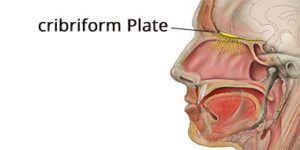
New Discovery Makes Researchers Rethink CSF Absorption
The discovery of lymphatic vessels in the brain creates a new focus for researchers looking for non-invasive treatments for hydrocephalus.

Scientific Networks are Changing the Research Landscape
Together, the HA-funded HCRN, AHCRN, and HANDS are changing how hydrocephalus research is conducted and accelerating research progress.

Learning to Date Me
Bryant, our new guest blogger, shares openly about the unconditional support of his fiancee and resilience of their relationship as he lives with hydrocephalus.

HCRN Researcher Dr. Jay Wellons Demonstrates Importance of Multi-Center Studies
How do surgeons make decisions? How do they stand by those decisions and evaluate themselves? The HCRN set out to answer these questions in their study.

Predicting the Need for a Shunt after a Brain Bleed
Diagnosing the need for a shunt early after someone has had a brain bleed could prevent additional neurological deterioration, study finds.
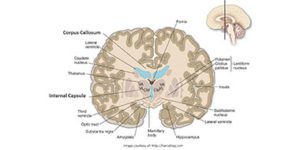
Research UPDATE: Using the Newest Technology to Understand Hydrocephalus
How do the cells of an infant’s developing brain react to the pressures of hydrocephalus? Our former MYI recipient, Dr. Eskandari’s, goal is to find out.

Hydrocephalus Association Resident’s Prize Award
Announcing the Hydrocephalus Association’s 2014 Resident’s Prize Awardee.

HCRN-HA Partnership Results in $1.8 Million Hydrocephalus Research Grant
PCORI is awarding a $1.8 million grant in support of a HCRN-proposed randomized control trial to determine the most effective entry site for placing a shunt.

Through the NOSE! Non-invasive Modulation of CSF Absorption
A proof of concept paper shows that drugs delivered through a nasal spray could one day provide a non-surgical way to manage hydrocephalus.

50th Anniversary of the Recognition of Normal Pressure Hydrocephalus
March 10, 2014, marks the 50th anniversary of the recognition of NPH as a distinct medical condition, allowing countless people access to the treatment needed to return to active lifestyles after possibly years of living with misdiagnosed dementia.

HA and the Rudi Schulte Research Institute Announce a New Research Venture
The Hydrocephalus Association and the Rudi Schulte Research Institute (RSRI) announce a joint research venture with Dr. Mark Wagshul.
Medical Advisory Board Member on Research Team to Investigate Long-Term Outcomes of TBI
Dr. Richard Ellenbogen, a UW neurosurgeon and a member of the Hydrocephalus Association Medical Advisory Board, will serve as a principal investigator on a two-year, $2.4 million study looking into the long-term implications of damage to the brain caused by TBI, funded by Seattle Seahawks owner and Microsoft Co-founder, Paul Allen.
Research UPDATE: Preventing Hydrocephalus in Premature Infants
In a study published in the journal Brain, researchers find that the infusion of a naturally occurring protein can prevent the development of hydrocephalus after an intraventricular hemorrhage. The results show great promise in the work to develop a preventive therapy for the development of hydrocephalus, particularly in one of our most fragile populations, premature infants.
Insight into the Hydrocephalic Brain Using Diffusion Tensor Imaging
The Hydrocephalus Association aims to help our community understand the latest findings coming out of the hydrocephalus research community. In this blog, we summarize a study about Diffusion Tensor Imaging (DTI) and pediatric hydrocephalus.
Research UPDATE: Exploring Alternative Treatments
In our third installment of the Mentored Young Investigator (MYI) blog series, we showcase 2009…
HCRN Update: Shunt Infection Risk and Treatment in Children
Dr. Tamara Simon discusses her work as the Principal Investigator for the shunt infection registry for the Hydrocephalus Clinical Research Network. Her study aims to understand the risk factors associated with shunt infection and how shunt infections are being treated.