
Resources

Ask the Expert Video Series: Return of NPH Symptoms
In this episode, we explore why symptoms may return after treatment for normal pressure hydrocephalus (NPH).
Ask the Expert Video Series: ETV as a Treatment for NPH
In this episode, we discuss the treatment options for normal pressure hydrocephalus (NPH), including the endoscopic third ventriculostomy, or ETV, a surgical method that allows for treatment without the use of a shunt.
Ask the Expert Video Series: Symptom Improvement after NPH Treatment
This episode explores symptom improvement after treatment for normal pressure hydrocephalus (NPH).
Ask the Expert Video Series: Untreated Normal Pressure Hydrocephalus (NPH)
This episode discusses the long-term prognosis for individuals unable to be treated or who choose not to be treated for normal pressure hydrocephalus (NPH)
Ask the Expert Video Series: Dementia or NPH?
In this episode, we explore the proper diagnosis of NPH and the next steps once a diagnosis has been made.
Ask the Expert Video Series: Transitioning to Adult Healthcare
Planning for transition from pediatric to adult healthcare is key to its success; however, this process can be complex and overwhelming. In this episode of our Ask the Expert Video Series, we discuss how a “medical home” in adult healthcare differs from pediatric healthcare and how caregivers and healthcare professionals can help young adults make a successful transition.
Ask the Expert Video Series: Intracranial Pressure in Hydrocephalus Patients
Is there a normal level for intracranial pressure? How do doctors measure intracranial pressure and how is this procedure helpful for some hydrocephalus patients? In this episode of our Ask the Expert Video Series for Adults Living with Hydrocephalus, doctors from Johns Hopkins Medicine explore these commonly asked questions.
Ask the Expert Video Series: With No Problems, Should You See a Neurosurgeon?
In this episode of our Ask the Expert Video Series, Drs. Mark Luciano and Abhay Moghekar, from Johns Hopkins Medicine, discuss whether hydrocephalus patients should see a neurosurgeon or neurologist even if they don’t have any problems with their shunt or ETV. And if so, how often should you see your neurologist or neurosurgeon?
Ask the Expert Video Series: Pregnancy and Hydrocephalus — Is It Safe?
In this episode of our Adult Hydrocephalus Ask the Expert Video Series, Drs. Mark Luciano and Abhay Moghekar, from Johns Hopkins Medicine, answer a commonly asked question – is it safe for women with hydrocephalus to have children?
Ask the Expert Video Series: Headaches and Hydrocephalus
In our Ask the Expert video for adults living with hydrocephalus, doctors from Johns Hopkins Medicine address whether hydrocephalus patients are predisposed to headaches and why. They also discuss ways to alleviate and prevent headaches. This video is sponsored by our industry partner, Medtronic.
Ask the Expert Video Series: Slit Ventricles vs. Slit Ventricle Syndrome
In this episode of our Adult Hydrocephalus Ask the Expert Video Series, Drs. Mark Luciano and Abhay Moghekar, from Johns Hopkins Medicine, discuss the difference between having slit ventricles and slit ventricle syndrome, and how it impacts hydrocephalus patients. This video is sponsored by our industry partner, Medtronic.
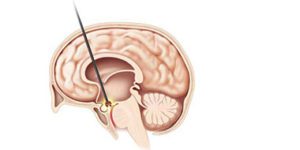
ETV-CPC for the treatment of infants with hydrocephalus: Predicting Success
The Hydrocephalus Clinical Research Network (HCRN) conducted a study to determine which babies under two years old with hydrocephalus have the best chance of success with an ETV-CPC procedure. In her blog, Dr. Jenna Koschnitzky, National Director of Research Programs, explains why the findings of this study are important when determining if a baby under two years old should receive a shunt or undergo the ETV-CPC procedure.

New Clinical Trial Aims to Determine Effectiveness of Shunting for iNPH Patients
Patients diagnosed with idiopathic Normal Pressure Hydrocephalus (iNPH) are typically treated by having a shunt placed surgically. A new clinical trial will determine whether or not shunts are an effective form of treatment for iNPH patients.

Surviving College with the Ups and Downs of Hydrocephalus
College is an exciting time but can be challenging when you’re living with hydrocephalus. Here are some tips to survive college while managing the ups and downs of hydrocephalus.

Extracurricular Activities and Hobbies: The Positive Effect They Have for Individuals with Disabilities
People with disabilities can benefit greatly by taking part in hobbies and extracurricular activities. Here are some tips to help you identify the activity that’s right for you.
You spoke! We wrote!
In October 2017, 82 individuals responded to a question we posed on social media about how hydrocephalus impacts their daily life. Researchers at the University of Pittsburgh Medical Center analyzed their responses in a new paper.

Three Scientists Awarded HA Grants for Their Bold and Innovative Work
What if you could prevent or stop the development of hydrocephalus after a brain bleed or develop a shunt that doesn’t get clogged? That’s what the 2018 HA Innovator Award grantees are hoping to do through their research projects.

HA-Funded Researchers Awarded $2.3 Million Grant from the Department of Defense
HA-funded researchers were awarded funding through the Department of Defense (DoD) Congressionally Directed Medical Research Programs (CDMRP) to study acquired hydrocephalus, with a particular focus on hydrocephalus that develops after a brain injury.
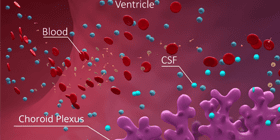
HA-Funded Researcher Awarded $1.8M NIH Grant
The Hydrocephalus Association (HA) is funding the best and brightest. Since 2009, HA has spent $7.8 million on our research programs. Our researchers have then gone on to secure over $19 million in additional funding to continue their innovative work.
Announcing the 2018 Discovery Science Award Grantees!
The award allows these scientists to expand their research on posthemorrhagic hydrocephalus (PHH).