
Research
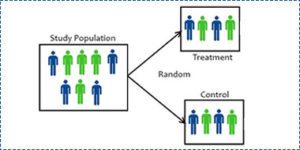
Research 101: An Explanation of Clinical Trials Design
Dr. Koschnitzky continues our Science Facts blog series with an explanation of the various clinical trial designs we find in hydrocephalus research.
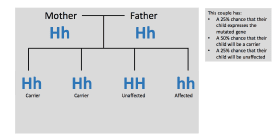
Genetic Mutations and their Role in Congenital Hydrocephalus
Hydrocephalus has been shown to have multiple causes, including numerous genetic origins. Dr. Jenna Koschnitzky explores genetic mutations in a three blog series.
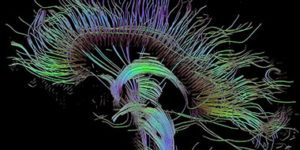
Grey is the new White? Not in the brain!
This Science Facts blog explains the difference between white and grey matter in the brain. Helping you untangle complex concepts and language in research studies!
Research 101: Levels of Evidence in Hydrocephalus Clinical Research Studies
Clinical studies are often reported in the news, but how do you know if the study is strong? Dr. Koschnitzky describes how to interpret the results of a study.

Neurons – a brain superhighway!
This month’s Science Facts blog focuses on the neuron and it’s role in basic brain function. Helping you untangle complex concepts and language in research studies!
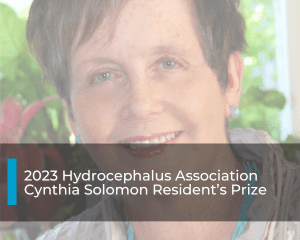
Dr. Peter Chiarelli Receives the Hydrocephalus Association Cynthia Solomon Resident’s Prize for Noninvasive Shunt Function Assessment Method
The Resident’s prize is awarded each year to the most promising hydrocephalus-related research paper presented by a neurosurgical resident at the Pediatric Section meeting of the AANS/CNS. The prize is designed to encourage young doctors to focus their research efforts on advancing treatment and care of individuals with hydrocephalus.
Announcing the 2023 Hydrocephalus Association Innovator Award Recipients
In medical research, innovation is the catalyst for change, the driving force behind medical breakthroughs…
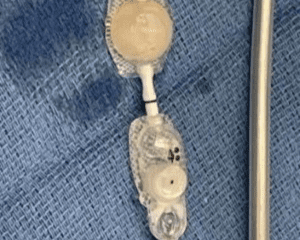
Anuncia Medical, Inc., Announces Published Data with Clinical Outcomes Using the ReFlow™ Ventricular System In-Line with Hydrocephalus Shunts
Anuncia Medical, Inc., a company advancing innovations for cerebrospinal fluid (CSF) management systems and neurocritical care haspublished an article in the journal Pediatric Neurosurgery reporting the use of the ReFlow™ Ventricular System with Hydrocephalus shunts in patients suffering from chronic shunt occlusions.
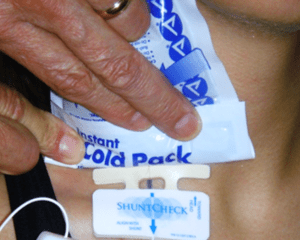
Study Finds ShuntCheck is an Effective Aid for Emergency Room Doctors
Study Finds ShuntCheck is an effective aid for emergency room doctors in determining the need…
Announcing the Hydrocephalus Association’s 2022 Innovator Award Recipients
The 2022 Innovator Award recipients are investigating novel aspects about the development of hydrocephalus and evaluating innovative treatments to enhance long-term results.

Five Scientists Awarded HA Grants for Their Bold and Innovative Work
Announcing our 2021 Innovator Award recipients! These brilliant scientists are exploring new ideas about why hydrocephalus develops and testing new treatments to improve long term outcomes.
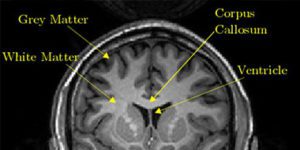
Grey Matter Brain Damage
This blog explains the difference between white and grey matter injuries and their effects on the brain.
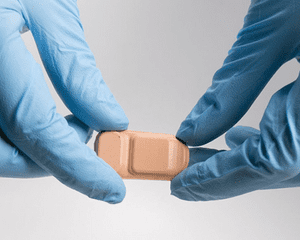
TECHNOLOGY UPDATE: Rhaeos, Inc. Awarded NIH Grant to Advance Development of FlowSense Wireless Sensor
Rhaeos, Inc. was awarded an NIH grant to advance their development of wearable sensors to detect failed shunts in patients with hydrocephalus.
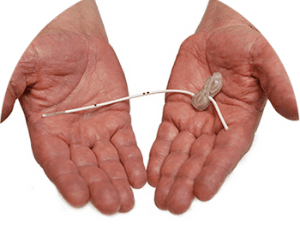
Announcement About Anuncia ReFlowTM System Mini
Earlier this year, Anuncia Inc., a medical device company focused on the development of treatment devices for hydrocephalus and other cerebrospinal fluid (CSF) disorders, announced that the ReFlowTM System Mini received the U.S Food and Drug Administration (FDA) Breakthrough Device Designation. The ReFlowTM System Mini is the next generation version of the commercial ReFlowTM Ventricular System.

In the NICU: Preparing Families for Life with Hydrocephalus
A recent study explored how neonatal intensive care units (NICUs) can better prepare families that receive a diagnosis of posthemorrhagic hydrocephalus of prematurity (PHHP).

Innovator Award Series: Get to Know Dr. Aditya S. Pandey
In this installment of our Meet the Innovator Award Grantees Blog Series, we interviewed Dr. Aditya S. Pandey, one of four scientists who received a 2020 Innovator Award. Dr. Pandey’s team is testing the use of acetazolamide (Diamox) directly into the ventricles to determine if it can prevent hydrocephalus.
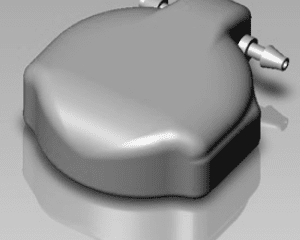
Technology Update: Neurallys developing Bluetooth enabled ICP monitor
French startup Neurallys is developing an implantable intracranial pressure (ICP) monitor for hydrocephalus. The device continuously measures, records and sends ICP data to a patient’s smartphone via a Bluetooth connection.
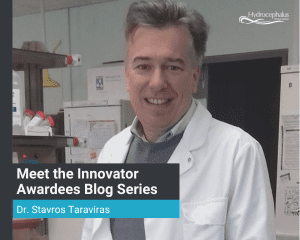
2020 Innovator Award Series: Get to Know Dr. Stavros Taraviras
Learn about Dr. Stavros Taraviras, one of four scientists who received a Hydrocephalus Association 2020 Innovator Award. Dr. Taraviras is working to turn scar tissue back into ependymal cells as a novel therapeutic strategy for hydrocephalus.

The Use of Lumboperitoneal Shunts in iNPH Patients
In the United States, the standard treatment for idiopathic Normal Pressure Hydrocephalus (iNPH) patients is a ventriculoperitoneal shunt (VPS). But a new study explores the effectiveness of lumboperitoneal shunts (LPS), which have also been shown to improve iNPH symptoms and are widely used in Japan.

Study Explores Quality of Life of Children with Hydrocephalus and Caregivers
A new study published in the Journal of Neurosurgery: Pediatrics assessed quality of life and mental wellbeing of both children with hydrocephalus and their caregivers.