
Research
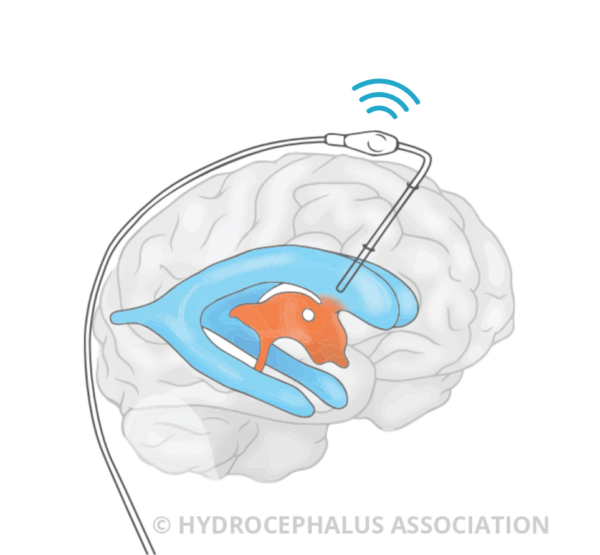
Exploring Emerging Technology in Smart Shunts
To address the challenges of traditional shunt systems, scientists are developing innovative devices known as “smart shunts”. These emerging technologies aim to make hydrocephalus management easier.
Hydrocephalus Association Expresses Concern Over Executive Orders That Could Affect Hydrocephalus Research
The Trump Administration recently issued Executive Orders that could have long-term consequences for hydrocephalus research, potentially impacting the health of hydrocephalus patients, particularly children.

Bringing in the Next Generation of Engineers in Hydrocephalus
The Hydrocephalus Association’s research department has expanded its outreach efforts to include engineers, aiming to broaden their network beyond physicians and scientists.
Hydrocephalus Association Publishes Key Neuropsychology and Cognitive Research Priorities
The Hydrocephalus Association (HA) is excited to announce the publication of our Research Priorities in Neuropsychology and Cognition in the Journal of Fluids and Barriers of the CNS.
Announcing the 2024 Hydrocephalus Association Innovator Award Recipients
The Innovator Awards fund groundbreaking projects advancing hydrocephalus research, driving innovation, and improving outcomes for those impacted worldwide.
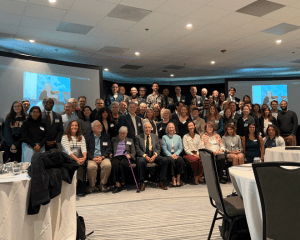
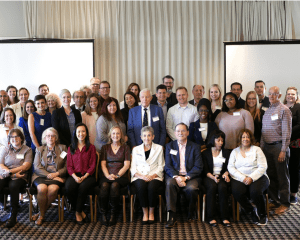
Scientists Uncover Emerging Insights on Fluid Systems in the Brain at the iNPH Research Workshop
In October 2024, the Hydrocephalus Association and RSRI hosted a workshop with over 70 experts to discuss cerebrospinal fluid (CSF) movement, a key factor in understanding idiopathic normal pressure hydrocephalus (iNPH).
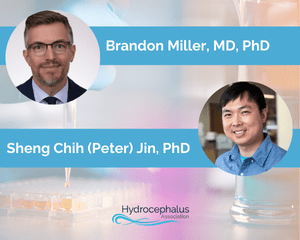
HA Innovator Awardees Garner Multi-Million Dollar NIH Grants for Hydrocephalus Research
Hydrocephalus Association (HA) is thrilled to highlight the continued success of two of our Innovator Award recipients, Dr. Brandon Miller and Dr. Sheng Chih (Peter) Jin who have recently secured substantial multi-million dollar grants from the National Institutes of Health (NIH).

Research 101: Generalizability
The concept of Generalizability in research studies is especially important for individuals living with hydrocephalus because there are so many different causes.
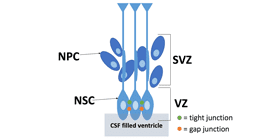
Research 101: Brain Development
We are continuing our series on the role of cell junctions and the ventricular zone in the development of hydrocephalus.

Nearly 20 Years of Endurance, Dedication, and Swimming the Unswimmable In the Name of Hydrocephalus Research with Team Hydro
Team Hydro is a group of dedicated volunteers and swimmers helping to raise awareness and funding for advanced research of hydrocephalus.

Finding Our Way with L1CAM
The causes of hydrocephalus are varied, but one with a clear genetic linkage is X-linked hydrocephalus, a genetic disorder that occurs in about 1 of 30,000 births.
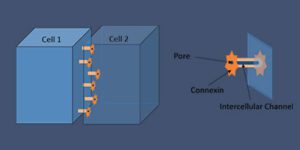
Research 101: Junction, Junction, What’s Your Function?
By understanding why and how these disruptions occur, scientists may be able to repair or replace abnormal junctions and prevent or arrest the development of hydrocephalus.

Department of Defense Awards $5.6 Million Grant to Senseer Health Inc. for Innovative Hydrocephalus Shunt Monitoring Technology
DOD has awarded Senseer Health Inc. $5.6 million to develop an innovative medical monitoring device for individuals living with hydrocephalus. This could be a game-changer for the hydrocephalus community.

Research 101: The Importance of Sample Size
Having a large number of participants reduces the risk of accidently having extreme, or biased, groups. Let’s find out why.

Research 101: Randomization
Our Research Blog 101 series continues with a look at how randomization works in clinical trials.

Advancing Engineering Solutions for Hydrocephalus
As part of its strategic plan, HA’s research team expanded its network to include bioengineers, inspiring a new generation to drive device innovation for hydrocephalus—leading to the Engineering Roadshow!
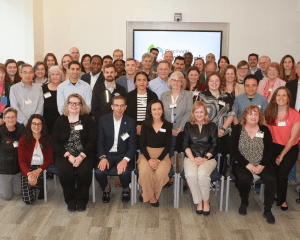
Advancing Hydrocephalus Research and Treatment Options: Non-Invasive Therapy Research Workshop
More than 75 experts in hydrocephalus gathered in Cincinnati, OH for the 2024 Research Workshop focused on finding ways to better treat hydrocephalus, aiming to make treatments safer and less invasive.
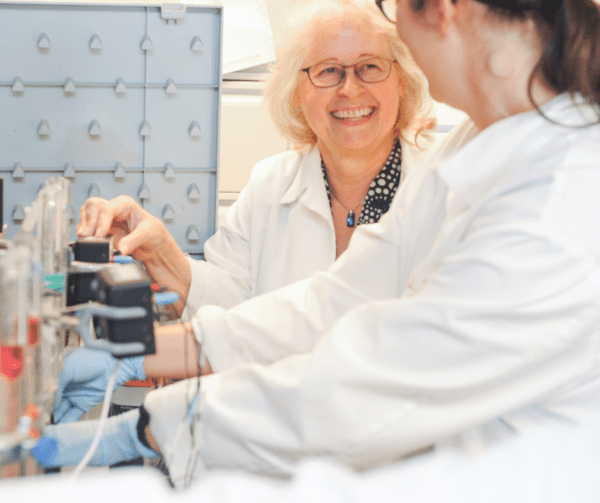
Revolutionary Women in Hydrocephalus Research – Dr. Blazer-Yost
Celebrate Influential Leaders during National Women’s History Month. Dr. Blazer-Yost, scientist and medical researcher is making strides for hydrocephalus.
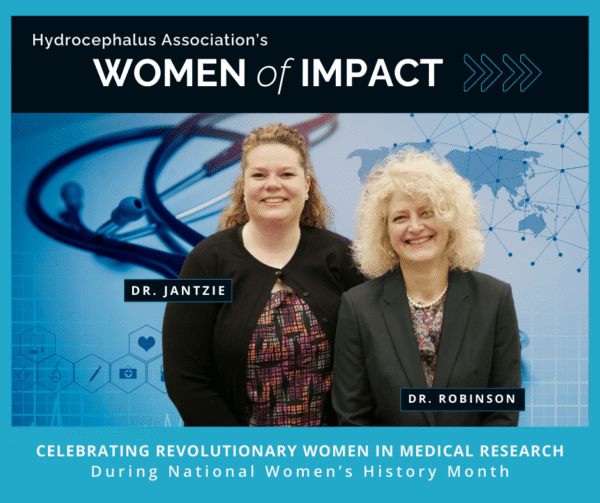
Hydrocephalus Association Highlights Revolutionary Women in Medical Research
Celebrate Influential Leaders during National Women’s History Month. Dr. Robinson & Dr. Jantzie are both revolutionary women making strides for hydrocephalus
Neural Tube Defects (NTD)
Learn about the genetics of neural tube defects, which can lead to hydrocephalus.