

Preliminary results from the International Infant Hydrocephalus Study
There are two common treatment options available for infants that suffer from Aqueductal stenosis: implantation of a shunt or an endoscopic third ventriculostomy
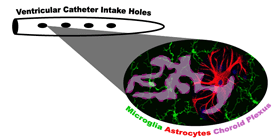
From Patient to Progress: New insights into preventing shunt blockages
While shunt implantation is a typical treatment option for people with hydrocephalus, there have been surprisingly few advances to decrease shunt failure rates since the 1950s

The Vision to End Hydrocephalus after a Brain Bleed
The Hydrocephalus Association’s annual Vision Dinner highlights the advances in research that aims to prevent or minimize the development of hydrocephalus after a brain bleed.
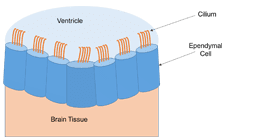
New Theories in Posthemorrhagic Hydrocephalus
A recent study expands these results to posthemorrhagic hydrocephalus in premature infants. Please take a moment to read more about this important research.
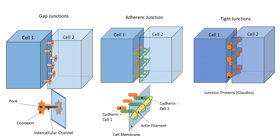
New Theories in Fetal-Onset Hydrocephalus
Current research suggests that a cascade of events involving cell junctions, the VZ, and the SVZ may be the cause of fetal-onset hydrocephalus and its accompanying neurological disorders.

Meet the HCRN Clinical Research Coordinators
The HCRN is fortunate to have a team of hard working, experienced coordinators who are responsible for study start up, running the study, and wrapping things up once a study ends.

The Challenge of Diagnosing Shunt Dysfunction
Researchers aim to improve the way that physicians identify problems with a shunt implant.

A Look at New Shunt Technology
Biomedical engineers test a sensor that could help predict when a shunt revision is needed.

New Tool Detects Pressure Non-invasively
Non-invasive tool may be instrumental in evaluating elevated ICP – a symptom of hydrocephalus and shunt malfunction.
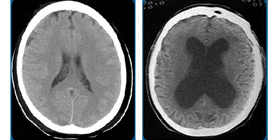
New Insights into Normal Pressure Hydrocephalus (NPH)
A recently published study attempts to shed light on the long term outcomes of untreated iNPH by examining mortality rates, risk of dementia, and symptom progression in individuals with ventricular enlargement.
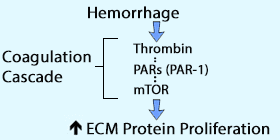
New Study Seeks to Improve Outcomes After a Brain Bleed
Germinal matrix hemorrhage (GMH) is a brain bleed that occurs in approximately 3.5 per 1000 live births and remains a leading cause of mortality and lifelong morbidity in premature infants.

The Importance of Environmental Enrichment
Learn more about a recent study that suggests stimulating environments can improve cognitive outcomes for children living with hydrocephalus.