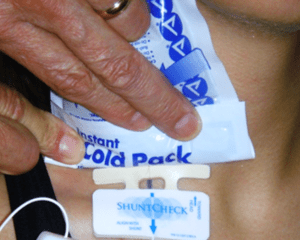
Study Finds ShuntCheck is an Effective Aid for Emergency Room Doctors
Study Finds ShuntCheck is an effective aid for emergency room doctors in determining the need…
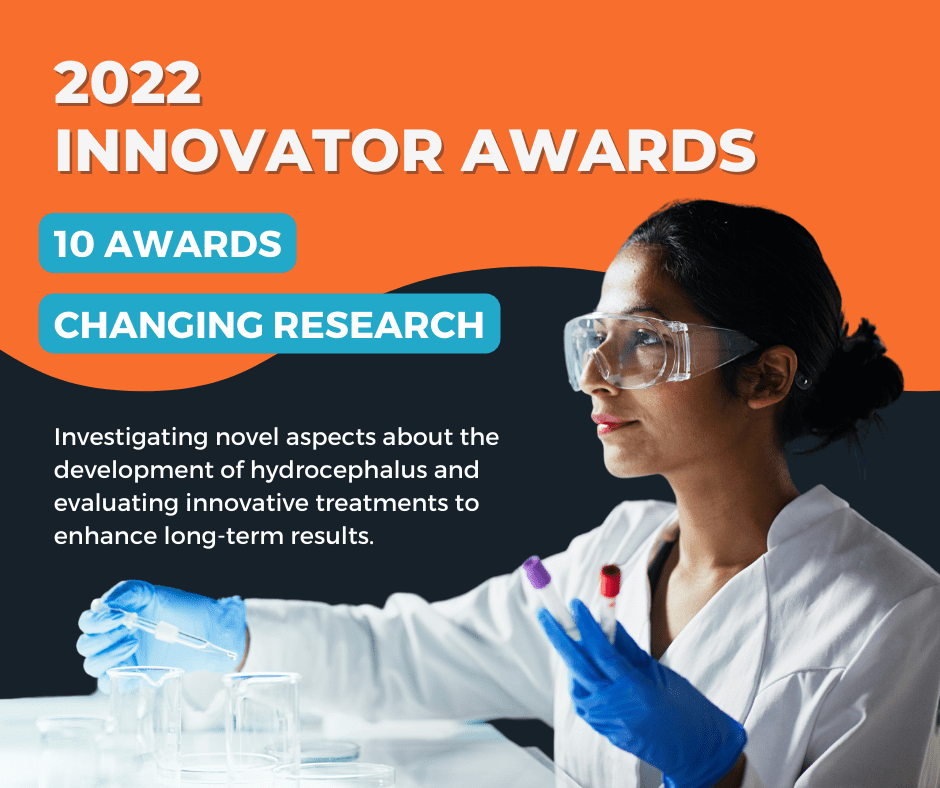
Announcing the Hydrocephalus Association’s 2022 Innovator Award Recipients
The 2022 Innovator Award recipients are investigating novel aspects about the development of hydrocephalus and evaluating innovative treatments to enhance long-term results.

Five Scientists Awarded HA Grants for Their Bold and Innovative Work
Announcing our 2021 Innovator Award recipients! These brilliant scientists are exploring new ideas about why hydrocephalus develops and testing new treatments to improve long term outcomes.
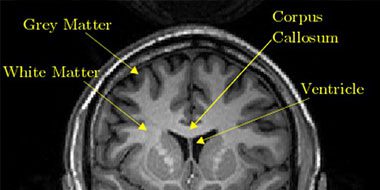
Grey Matter Brain Damage
This blog explains the difference between white and grey matter injuries and their effects on the brain.
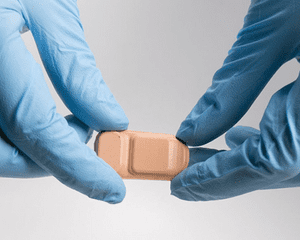
TECHNOLOGY UPDATE: Rhaeos, Inc. Awarded NIH Grant to Advance Development of FlowSense Wireless Sensor
Rhaeos, Inc. was awarded an NIH grant to advance their development of wearable sensors to detect failed shunts in patients with hydrocephalus.
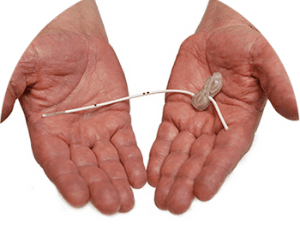
Announcement About Anuncia ReFlowTM System Mini
Earlier this year, Anuncia Inc., a medical device company focused on the development of treatment devices for hydrocephalus and other cerebrospinal fluid (CSF) disorders, announced that the ReFlowTM System Mini received the U.S Food and Drug Administration (FDA) Breakthrough Device Designation. The ReFlowTM System Mini is the next generation version of the commercial ReFlowTM Ventricular System.

In the NICU: Preparing Families for Life with Hydrocephalus
A recent study explored how neonatal intensive care units (NICUs) can better prepare families that receive a diagnosis of posthemorrhagic hydrocephalus of prematurity (PHHP).

Innovator Award Series: Get to Know Dr. Aditya S. Pandey
In this installment of our Meet the Innovator Award Grantees Blog Series, we interviewed Dr. Aditya S. Pandey, one of four scientists who received a 2020 Innovator Award. Dr. Pandey’s team is testing the use of acetazolamide (Diamox) directly into the ventricles to determine if it can prevent hydrocephalus.
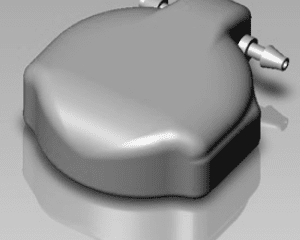
Technology Update: Neurallys developing Bluetooth enabled ICP monitor
French startup Neurallys is developing an implantable intracranial pressure (ICP) monitor for hydrocephalus. The device continuously measures, records and sends ICP data to a patient’s smartphone via a Bluetooth connection.
2020 Innovator Award Series: Get to Know Dr. Stavros Taraviras
Learn about Dr. Stavros Taraviras, one of four scientists who received a Hydrocephalus Association 2020 Innovator Award. Dr. Taraviras is working to turn scar tissue back into ependymal cells as a novel therapeutic strategy for hydrocephalus.

The Use of Lumboperitoneal Shunts in iNPH Patients
In the United States, the standard treatment for idiopathic Normal Pressure Hydrocephalus (iNPH) patients is a ventriculoperitoneal shunt (VPS). But a new study explores the effectiveness of lumboperitoneal shunts (LPS), which have also been shown to improve iNPH symptoms and are widely used in Japan.

Study Explores Quality of Life of Children with Hydrocephalus and Caregivers
A new study published in the Journal of Neurosurgery: Pediatrics assessed quality of life and mental wellbeing of both children with hydrocephalus and their caregivers.