
Articles

Sending your Child to Daycare
Sending off a child to daycare is scary on its own. We have developed a checklist to help you prepare.

Social Skills Development in Children with Hydrocephalus
Some kids with hydrocephalus face difficulty developing their social skills. This article talks about those difficulties and suggests tools for overcoming them.

Individualized Education Program (IEP)
Guidance for parents so they can learn how to develop and maintain good communication between with school personnel.
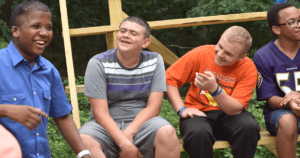
Bullying and Hydrocephalus
Bullying. We hold on to the 1950s image of the big kid on the playground taunting, name-calling, pushing, and intimidating other children.

Back To School Checklist
It’s that time of the year – back to school time! Here is a checklist that includes a couple of simple tips for starting the school year on the right foot.

Driving and Hydrocephalus
Driving is often seen as a rite of passage into adulthood. However, it’s not uncommon for individuals with hydrocephalus to experience challenges.

Video: About Hydrocephalus
Our video simplifies and explains what hydrocephalus is, showcases the treatment options, and highlights the key symptoms to look out for in case of complications. Take a minute to watch and expand your understanding like never before!

HydroAssist® Partners
The Hydrocephalus Association would like to thank the organizations and industry partners that support HydroAssist®…
HydroAssist® Terms of Use
Disclaimer and End-User License Agreement DISCLAIMER THIS APPLICATION IS MADE AVAILABLE BY THE HYDROCEPHALUS ASSOCIATION…
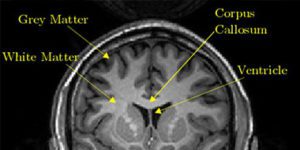
Grey Matter Brain Damage
This blog explains the difference between white and grey matter injuries and their effects on the brain.
Transitioning to College: Healthcare Management
For many young adults living with hydrocephalus, college is the first time they are managing their medical condition(s) on their own, particularly if the individual has moved away from home to live on campus. For this reason, it is important to put into place a plan for local care, particularly in the event of a medical emergency.

Transitioning to College: Academics
There are a lot of moving parts once a student with hydrocephalus commits to a college and moves on to requesting accommodations (for those that need them), honing their self-advocacy skills, and preparing to navigate their health and wellness needs independently.

Choosing the Right College
Alongside the typical comparisons for choosing a college, like cost, distance from home, academic major, etc., students with hydrocephalus should consider proximity to a medical center with neurosurgical care as well as compare the services and supports that the school offers.

College Status and Leave Policies
Students with hydrocephalus may require more flexibility in their college experience, due to unpredictable hospitalization, medical procedures, and illness. It’s important for students and families to understand the policies on full- and part-time student status as well as leaves of absence before committing to a school.
College Programs for Academic and Accessibility Support
Academic support varies across colleges, from peer tutoring and writing centers to specialized programs to schools completely built around educating students with learning disabilities. Additionally, some schools are well known for their inclusive approach to physical accessibility.

Differences Between High School and College Accommodations
It is important for students and families to understand that the services, supports, and accommodations that a student received in high school may not be available in the college setting. The responsibility for requesting and managing accommodations also rests fully on the student, unless a FERPA waiver is on file with the school.

The College Search
There is a lot to consider when thinking about transitioning to college with hydrocephalus. Beyond the typical considerations around academic fit and cost, you will also need to think about your medical needs and what accommodations and support are available on campus.

Mental Health and Wellness for College Students
College is an exciting time for many students but it can also be overwhelming, as students transition to a more independent lifestyle with new academic and social pressures. It can be a lot for some students, but many colleges are actively working to provide holistic support to student health and wellness.

The Importance of a Support System
Living with hydrocephalus can feel overwhelming at times. That’s why building a strong support system is so important. Our team of trained professionals is here to help! Our staff will listen to your concerns and connect you with helpful resources.
I Can Relate Video Series: Who Freaks Out More When It’s Time for Brain Surgery – You or Your Parents?
In this episode of our I Can Relate Video Series, Cree, a high school senior, talks about who gets more anxious when it’s time for her brain surgery—her or her parents.