
Hydrocephalus Blog & Resources

ETV-CPC for the treatment of infants with hydrocephalus
To determine if ETV-CPC provided a benefit compared to ETV alone or placement of a shunt, the HCRN decided to conduct a study which was recently published in the Journal of Neurosurgery: Pediatrics.

CSF Shunt Entry Site Trial
The CSF Shunt Entry Site Trial has reached the 75% mark in patient enrollment, that is 385 patients enrolled!

Tools To Help Patients With Hydrocephalus Make Informed Decisions About Their Health Care.
Most people with hydrocephalus have to live with the condition for their whole lives. Shunt surgery is just a method of treatment for hydrocephalus, but it is not a cure.

A Writer’s World
Blair Patrick Schuyler talks about the challenges and elation of writing his first book, “Adolescence Interrupted”, and on growing up with hydrocephalus..
Department of Defense Funds Two Research Studies on Hydrocephalus
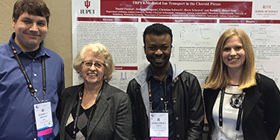
Department of Defense funding of two hydrocephalus researchers reflects the success of the Hydrocephalus Association’s Research and Advocacy Initiatives.

Letter from Longeviti Neuro Solutions
Longeviti Neuro Solutions would like to thank the incredible number of people who participated in our recently distributed survey.

Exercise Tips for NPH patients
Trish recommends finding an activity to help you challenge both your mind and body and have fun while doing it! Read more about her exercise tips for NPH patients.

Interview with Olivia Bell, Cognitive Therapist – Part 2
This part of the interview touches on neuropsychology, debunking some misunderstandings about cognitive therapy (CT), some advice Olivia had for NPH patients and spreading the word about CT.

Preliminary results from the International Infant Hydrocephalus Study
There are two common treatment options available for infants that suffer from Aqueductal stenosis: implantation of a shunt or an endoscopic third ventriculostomy
From Patient to Progress: New insights into preventing shunt blockages
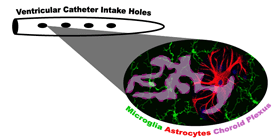
While shunt implantation is a typical treatment option for people with hydrocephalus, there have been surprisingly few advances to decrease shunt failure rates since the 1950s

The Vision to End Hydrocephalus after a Brain Bleed
The Hydrocephalus Association’s annual Vision Dinner highlights the advances in research that aims to prevent or minimize the development of hydrocephalus after a brain bleed.
New Theories in Posthemorrhagic Hydrocephalus
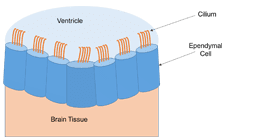
A recent study expands these results to posthemorrhagic hydrocephalus in premature infants. Please take a moment to read more about this important research.