Hydrocephalus Blog & Resources
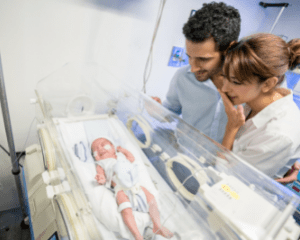
In the NICU: Preparing Families for Life with Hydrocephalus
A recent study explored how neonatal intensive care units (NICUs) can better prepare families that receive a diagnosis of posthemorrhagic hydrocephalus of prematurity (PHHP).

9 Foods to Nourish Brain Health
After having brain surgery, eating nutrient-dense foods that support your brain can promote healing. Learn more about the 9 foods that can help nourish brain health.
Hydrocephalus and Independence
By Madeleine Darowiche, HA Volunteer So, you’re considering living on your own for the first…
How to Reconnect and Trust your Body
In this blog, Bethany Holmes, Certified Integrative Health Coach, and Reiki Practitioner discusses how to reconnect, trust, love, and heal your body after trauma.
Congressmen Lloyd Doggett and Chris Smith Join Forces to Raise Awareness About Hydrocephalus
Representatives Lloyd Doggett (D-TX) and Chris Smith (R-NJ) have joined forces to champion two critical…
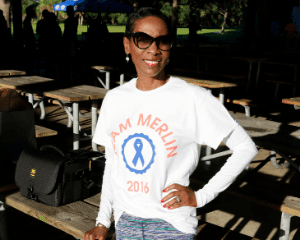
A Mystery Disease: One Woman’s Struggle to Get Diagnosed with NPH
Merlin Bott woke up one morning in October 2013 with a severe case of vertigo. It quickly got worse and soon, she became so dehydrated that she had to be hospitalized. Finally after 29 harrowing days in the hospital, she was told she needed brain surgery.
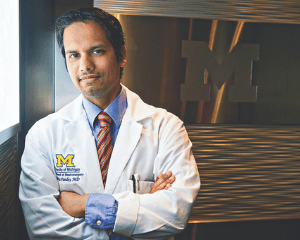
Innovator Award Series: Get to Know Dr. Aditya S. Pandey
In this installment of our Meet the Innovator Award Grantees Blog Series, we interviewed Dr. Aditya S. Pandey, one of four scientists who received a 2020 Innovator Award. Dr. Pandey’s team is testing the use of acetazolamide (Diamox) directly into the ventricles to determine if it can prevent hydrocephalus.
The Hydrocephalus Scoop on Capitol Hill March 2021
The cherry blossoms are blooming in Washington, DC, which is a sure sign that the new Congressional session is well underway. Let’s get you up to speed on what’s been happening on hydrocephalus policy issues so far.

Great.com Interviews Hydrocephalus Association About the Promising Search for New Treatments
Spirit Rosenberg from Great.com interviewed the Hydrocephalus Association as part of their ‘Great.com Talks With…’…

My Thoughts for Teachers
Sarah Kell, an adult living with hydrocephalus, offers thoughts for teachers when working with a child with hydrocephalus.
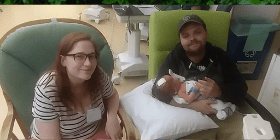
Child with X-Linked Hydrocephalus Defies the Odds
Imagine being told that your newborn child may never eat on his own. That’s what happened to Madeline Hopkins and her fiance Sean just a few days after their son was born when they learned he had a rare disease known as L1 Syndrome or X-Linked Hydrocephalus.
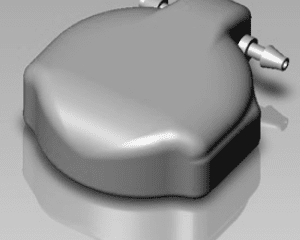
Technology Update: Neurallys developing Bluetooth enabled ICP monitor
French startup Neurallys is developing an implantable intracranial pressure (ICP) monitor for hydrocephalus. The device continuously measures, records and sends ICP data to a patient’s smartphone via a Bluetooth connection.