HA funds high-impact research, provides support and educational resources for patients and caregivers, and advocates on behalf of the hydrocephalus community on key policies and legislation.
Since 2009, HA has invested over $17 million in cutting-edge research, making us the largest non-profit, non-governmental funder of hydrocephalus research in the United States.
Our Mission
HA's mission is to find a cure for hydrocephalus and improve the lives of those impacted by the condition.
Our Vision
Our vision is a world without hydrocephalus.
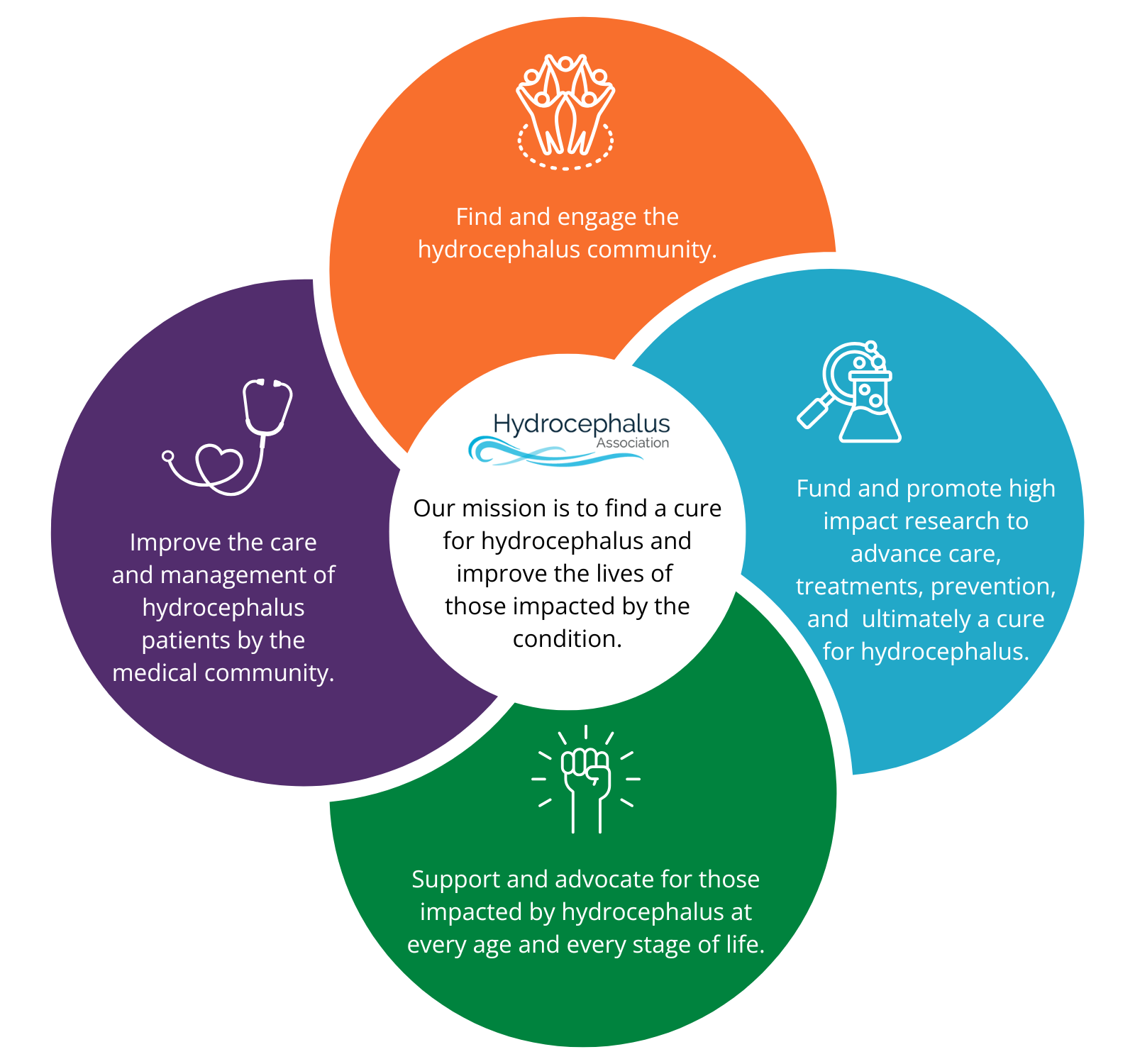
Learn About Our Approach and Strategy
View our 2023-2025 strategic plan.
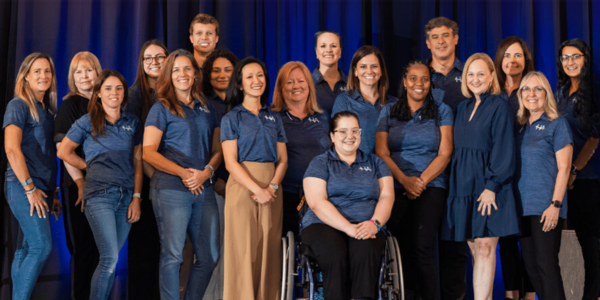
Board of Directors and Staff
HA’s Board of Directors and staff work together to advance our mission and create meaningful change for the hydrocephalus community. The Board provides strategic direction and guidance, while our dedicated staff brings expertise, compassion, and a commitment to serving those affected by hydrocephalus. Together, they provide invaluable support to our programs, advocacy efforts, and community outreach.

Medical & Scientific Advisory Boards
The Hydrocephalus Association’s advisory boards provide expert guidance to the staff and Board of Directors, helping to inform strategic planning and organizational priorities. Members are selected for their deep expertise and experience, offering valuable insights that support research, clinical care, and the needs of individuals and families affected by hydrocephalus.
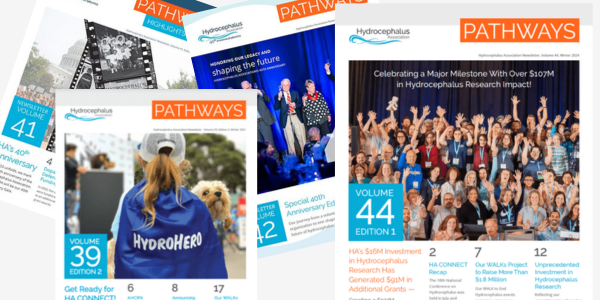
Our Printed Newsletters
Our printed newsletter includes our latest initiatives, events taking place, and information about the latest hydrocephalus research, education, and support efforts.
Our Annual Reports and Financials
We aim to be transparent in the use of the funds we receive. View our Annual Reports from the past 10 years, as well as our financials.
BLOG
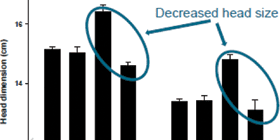
Hydrocephalus research presented at the international Europhysiology Conference
Alexandra Hochstetler was one of our ten Young Investigator Travel Award winners at the 2018 HACONNECT. This past weekend, she presented her work at the Europhysiology Conference held in London, United Kingdom!

Shunt versus ETV: Five year outcomes from the International Infant Hydrocephalus Study (IIHS)
The IIHS gathered data from more than 20 hospitals around the world, compared the effectiveness of shunts versus endoscopic third ventriculostomies (ETVs). This study started in 2005 and these are the five year outcomes.
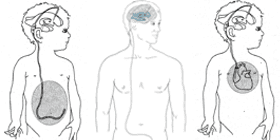
Risk Factors for Ventriculoperitoneal (VP) Shunt Failure in Children and Adults
What specific factors are associated with VP shunt failure within 30 days of its placement? Do secondary shunts fail more often than primary (or first) shunts?